






 +971 4 454 9700



Expanding into the vibrant Dubai market is a major milestone for any organization, but setting up your operations requires far more than simply securing a trade license. One of the most critical, yet frequently misunderstood, operational pillars in the United Arab Emirates is the visa quota, the regulatory cap on the number of residency visas your company can sponsor for its employees.
For business owners, HR managers, and corporate consultants navigating the UAE landscape in 2026, understanding how to manage, maintain, and scale your organization’s workforce allocation is essential to operational continuity.
Whether you are a startup founder or a seasoned executive, knowing how to check visa quota in UAE platforms is often the first step in audit processes and remains a prerequisite for a smooth, stress-free expansion.
The License-Quota Connection: Mainland vs. Free Zone
Your business license is not just a legal document; it is the fundamental framework that dictates your visa-granting capacity. Choosing the right jurisdiction is the single most important decision for your long-term hiring strategy:
-
Mainland Licenses (DED)
These licenses offer the highest level of scalability. Because Mainland companies can operate anywhere in the UAE, their visa quotas are generally scalable, provided they maintain sufficient office space and satisfy regulatory requirements. If your growth plan involves a large, localized team or government contracting, the Mainland license structure allows you to scale your quota proportionally as your office footprint grows.
-
Free Zone Licenses (FZA)
These operate on a package-based structure. When you select a license here, your visa quota is often bundled with your facility type. A flexi-desk might restrict you to 1 to 3 visas, whereas a dedicated office unit might increase this to 5 or 10. Expanding your quota in a Free Zone often necessitates a package upgrade rather than just a simple administrative request.

Understanding the Dual-System Framework
It is vital to distinguish between the two regulatory bodies that oversee your workforce: the Ministry of Human Resources and Emiratisation (MOHRE) and the General Directorate of Residency and Foreigners Affairs (GDRFA).
While MOHRE governs the work permit quota, which dictates the number of labor contracts you can issue, the GDRFA manages the residency visa quota, which governs the actual number of employees you can sponsor for residency. A company may hold an approved work permit, but you must ensure your GDRFA visa allocation is equally sufficient. Misalignment between these two can lead to significant processing bottlenecks, delaying your ability to onboard essential talent when you need them most.
Determinants of Your Quota Allocation
The number of visas assigned to your company is not an arbitrary figure. Authorities utilize a set of standardized metrics to determine your business capacity. Understanding these determinants is key to successful workforce planning:
-
Physical Office Space
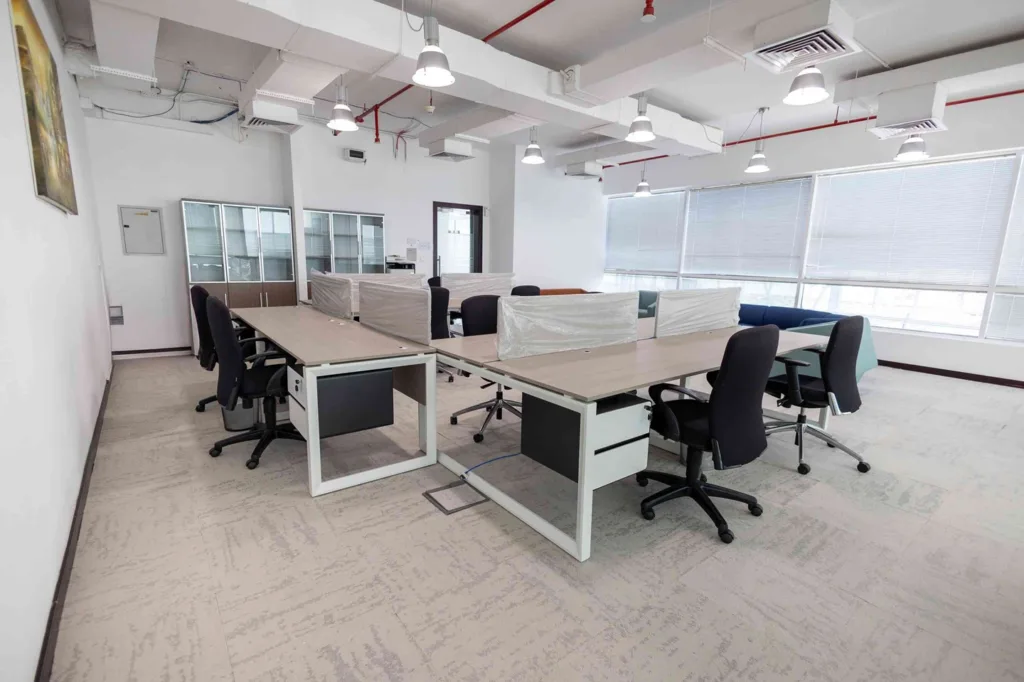
This remains the most consistent benchmark across both jurisdictions. As a general rule of thumb, authorities often look for approximately 100 square feet of office space per visa. Your lease agreement (Ejari for Mainland) acts as the primary document for justifying your headcount.
-
Business Activity and License
Your company’s specific business activities dictate your staffing needs. A logistics or manufacturing firm with large warehousing requirements will naturally be assessed against a different set of criteria than a digital consultancy or a service-based firm.
-
Company Classification
MOHRE classifies establishments based on compliance with labor regulations, adherence to Emiratisation targets, and workforce diversity. Your classification status directly influences the ease of your visa quota approval and, in many cases, the associated costs of permit issuance.

Strategic Management for Scaling
A common challenge for rapidly growing businesses is reaching their visa limit just as they need to onboard new talent. Securing a visa quota approval requires proactive planning rather than reactive scrambling.
If your growth strategy involves hiring more personnel, you must ensure your physical workspace scales accordingly. Before committing to new hires, perform a regular audit of your current allocations to ensure your license reflects your actual headcount.
Leveraging a professional PRO service can significantly simplify this process, as they ensure your requests for an increase are accurately documented, including requirements like a commitment to housing allowances if office space constraints persist. Regularly reviewing your visa quota status can help reduce the risk of hiring delays, allowing you to stay focused on your core business goals.
The Role of Emiratisation in 2026
In 2026, Emiratisation policies have become a cornerstone of UAE labor strategy. Private sector companies with 50 or more employees are required to meet specific targets for hiring skilled UAE nationals.
Non-compliance no longer just results in administrative friction; it carries significant financial penalties that increase annually. Conversely, exceeding these targets can improve your MOHRE classification, potentially opening the door to more generous visa allowances and operational flexibility.

Building the Right Foundation for Long-Term Growth
Navigating the regulatory environment of Dubai requires a shift in perspective: your visa quota is not merely an HR figure; it is a direct reflection of your company’s operational substance as defined by your license.
Your business license is the operational anchor of your organization, serving as the foundational framework that dictates your ability to scale human capital. By maintaining clear internal records, ensuring your physical office footprint aligns with your projected headcount, and treating license renewals as a catalyst for growth, you remove the common bottlenecks that stall expansion.
By integrating your visa management directly into your licensing strategy, you ensure your business remains agile, compliant, and ready to capture new market opportunities throughout 2026 and beyond.

